How to Access Settings in Windows 11

The windows-11/" class="sal-link" rel="noopener" target="_blank" data-sal-id="21817">Settings app in Windows 11 is your main control center. It is where you manage your computer’s behavior. You can change your display, sound, network, privacy, and updates all in one place. Why learn this? Knowing how to access Settings saves you time. You will not waste minutes hunting for options buried in menus. What happens when you do this? You will be able to customize your device exactly how you want it.
The Fastest Ways to Access Settings in Windows 11
Method 1: Use the Keyboard Shortcut
This is the quickest way. Press the Windows key + I on your keyboard. The Settings app opens instantly.
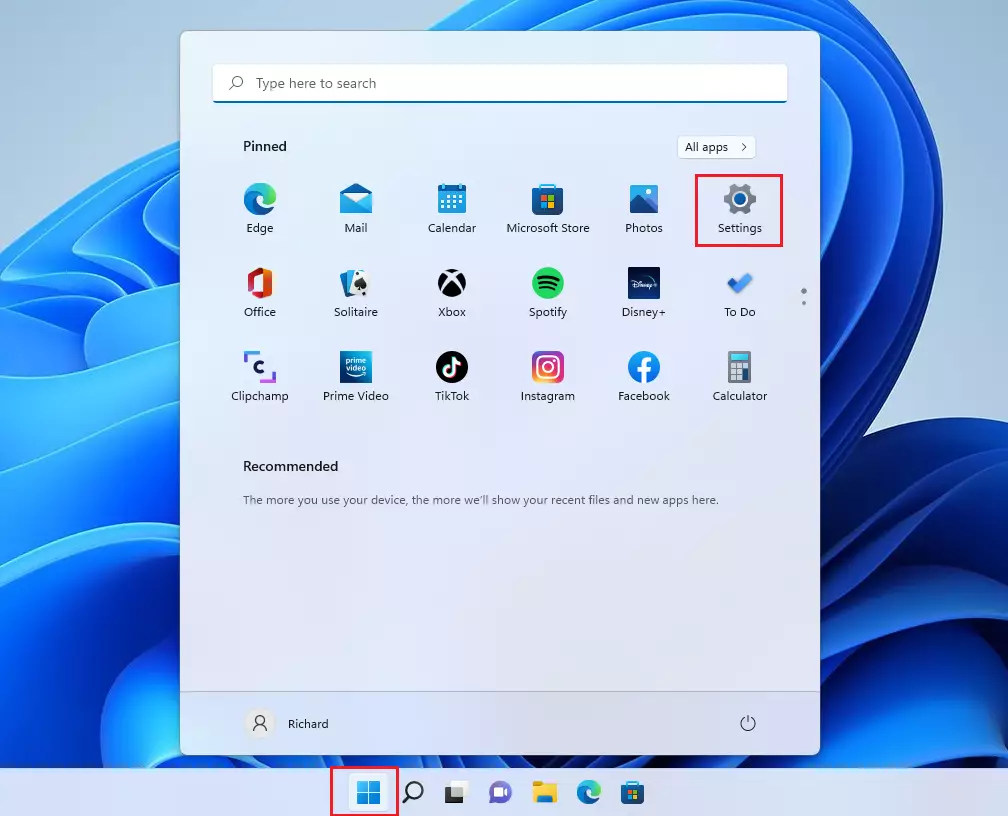
Method 2: Use the Start Menu
Click the Start button. Look for the gear-shaped icon. Click it to open Settings.
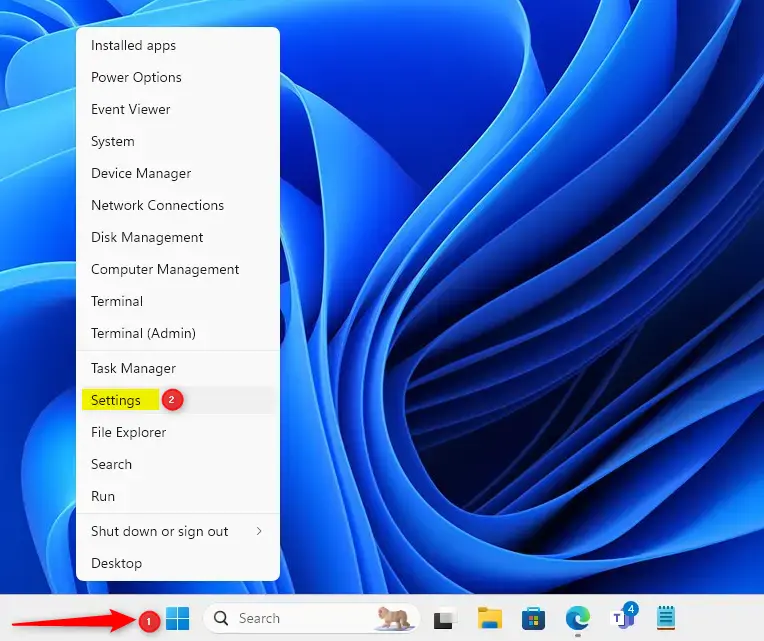
Method 3: Use the Power User Menu
Right-click the Start button. A menu appears. Select Settings from the list.
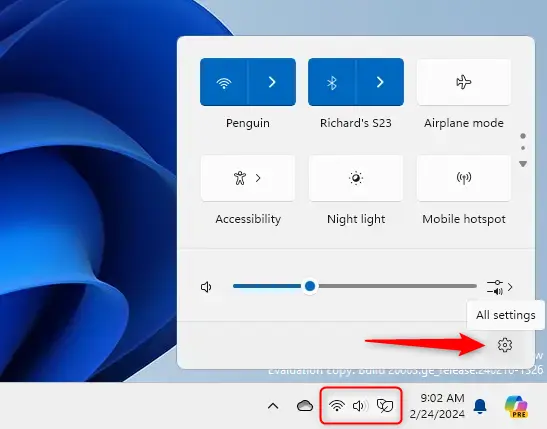
Method 4: Use Quick Settings
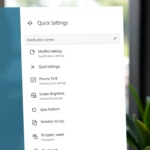
Press Windows key + A to open Quick Settings. This opens a small menu in the bottom right corner of your screen. Click the “All settings” button to open the full Settings app.
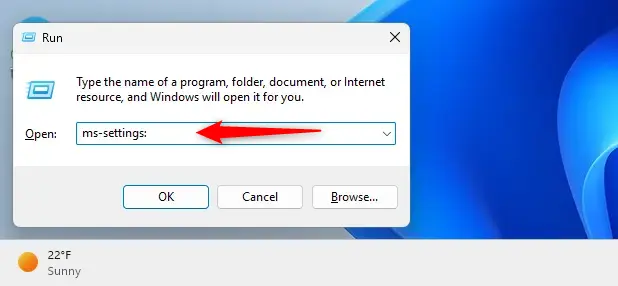
Method 5: Use the Run Box
Press Windows key + R on your keyboard. A small box opens. Type this command: ms-settings: Then press Enter. Settings opens right away.
Method 6: Use Windows Terminal
Open Windows Terminal using PowerShell or the Command Prompt. Type this command: start ms-settings: Press Enter. The Settings app launches.
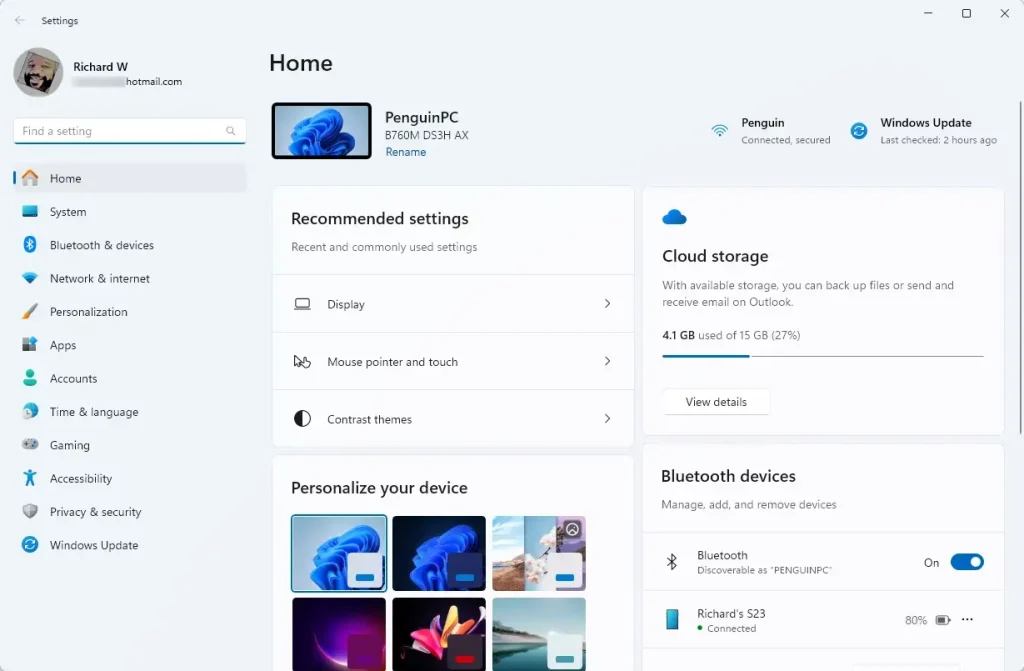
Understanding Settings Hierarchy and Navigation
Windows 11 uses a sidebar navigation system. This sidebar stays on the left side of the window. It helps you jump between main categories like System, Bluetooth, and Personalization. If you get lost, click the Home icon at the top of the sidebar to return to the main dashboard.
Troubleshooting: What to Do If Settings Crashes
Sometimes the Settings app may fail to open or crash. First, try using the Search bar in the taskbar to find specific settings. If that fails, you can reset the app. Note: This step requires admin privileges. Open PowerShell as an administrator and run this command:
Get-AppxPackage *windows.immersivecontrolpanel* | Reset-AppxPackage
This command re-registers the app and often fixes launch issues.
Power User Tips: ms-settings URI Schemes
Windows 11 uses special codes called URI schemes to open specific pages. You can use these to create desktop shortcuts. Right-click your desktop, select New > Shortcut, and paste a command like ms-settings:display. This creates a direct link to your display settings.
Summary
Accessing your Windows 11 configuration is simple once you know the shortcuts. Whether you use the Windows key + I, the Start menu, or specific ms-settings: URI commands, you can manage your device efficiently. If you encounter crashes, use the PowerShell reset command to restore functionality. For more help, visit the official Microsoft support website.
Why does Windows 11 have multiple settings menus?
Windows 11 maintains a transition between the modern Settings app and the classic Control Panel. While Settings handles most daily tasks, the Control Panel remains for legacy system tools and advanced administrative configurations that have not yet been migrated to the new interface.
How do I search for settings I can’t find?
The Settings app includes a search bar at the top left of the window. Simply type a keyword, such as “brightness” or “network,” and Windows will filter the results to show you the relevant pages. This is the fastest way to navigate deep menus.
Was this guide helpful?


[…] First, open the Windows Settings app. […]
[…] First, open the Windows Settings app. […]
[…] First, open the Windows Settings app. […]
[…] First, open the Windows Settings app. […]
[…] First, open the Windows Settings app. […]
[…] First, open the Windows Settings app. […]
[…] First, open the Windows Settings app. […]
[…] open the Settings […]
[…] First, open the Settings app. […]
[…] First, open the Windows Settings app. […]
[…] First, open the Windows Settings app. […]
[…] First, open the Windows Settings app. […]
[…] First, open the Windows Settings app. […]
[…] First, open the Windows Settings app. […]
[…] First, open the Windows Settings app. […]
[…] First, open the Windows Settings app. […]
[…] open the Settings […]
[…] First, open the Windows Settings app. […]
[…] First, open the Settings app. […]
[…] First, open the Settings app. […]
[…] open the Windows 11 Settings app using the search function or pressing the Windows logo key + […]
[…] First, open the Windows Settings app. […]
[…] First, open the Windows Settings app. […]
[…] First, open the Windows Settings app. […]
[…] you can view these devices directly from the Windows Settings app. Use the steps below to access devices linked to your Microsoft account from Windows […]
[…] First, open the Windows Settings app. […]
[…] First, open the Windows Settings app. […]
[…] First, open the Windows Settings app. […]
[…] First, open the Windows Settings app. […]
[…] First, open the Windows Settings app. […]
[…] First, open the Windows Settings app. […]
[…] First, open the Windows Settings app. […]
[…] First, open the Windows Settings app. […]
[…] First, open the Windows Settings app. […]
[…] First, open the Windows Settings app. […]
[…] First, open the Windows Settings app. […]
[…] First, open the Windows Settings app. […]
[…] First, open the Windows Settings app. […]
[…] First, open the Windows Settings app. […]
[…] First, open the Windows Settings app. […]
[…] First, open the Windows Settings app. […]
[…] First, open the Windows Settings app. […]
[…] First, open the Windows Settings app. […]
[…] First, open the Windows Settings app. […]
[…] check the evaluation expiration date for your Insider Preview build, use the Settings app in Windows […]
[…] name in Windows refers to the full name of an account shown on the Sign-in screen, Start Menu, and Settings. This name can differ from the username used to sign in to the […]
[…] First, open the Windows Settings app. […]
[…] First, open the Windows Settings app. […]
[…] First, open the Windows Settings app. […]
[…] First, open the Settings app. […]
[…] First, open the Windows Settings app. […]
[…] First, open the Windows Settings app. […]
[…] First, open the Windows Settings app. […]
[…] First, open the Windows Settings app. […]
[…] First, open the Windows Settings app. […]
[…] First, open the Windows Settings app. […]
[…] First, open the Windows Settings app. […]
[…] has a built-in search feature that lets users search and find help content, apps, files, folders, settings, and quick answers from the web like weather reports, stock prices, currency converter, and much […]
[…] First, open the Windows Settings app. […]
[…] First, open the Settings app. […]
[…] open the Windows Settings […]
[…] First, open the Windows Settings app. […]
[…] First, open the Windows Settings app. […]
[…] First, open the Windows Settings app. […]
[…] First, open the Windows Settings app. […]
[…] First, open the Windows Settings app. […]
[…] First, open the Windows Settings app. […]
[…] First, open the Windows Settings app. […]
[…] Once enabled, open the Windows Settings app. […]
[…] Once enabled, open the Windows Settings app. […]
[…] To get started, first, open the Windows Settings app. […]
[…] For more step-by-step guides, visit how to use the Settings app in Windows 11. […]
[…] For more tips on using Windows 11, visit this easy guide. […]
[…] For more tips on using Windows 11, visit the Windows Settings guide. […]
[…] Open Windows Settings: Click the Start button and then the gear icon, or press Windows + I on your keyboard. More about opening Settings […]
[…] Open Windows Settings:You can do this by clicking the Start menu button (the Windows icon at the bottom-left corner) and then clicking Settings, or simply press Windows key + I on your keyboard. Learn more about opening Settings […]
[…] Learn more about opening Settings […]
[…] the Settings app on your PC. You can do this by clicking the Start menu and selecting Settings, or by pressing the […]
[…] Open the Settings app: Click the Start menu (the Windows icon on the bottom-left), then click Settings. Or press Windows key + I on your keyboard to open Settings right away. Learn more about opening Settings […]
[…] the Settings app. You can do this by clicking the Start menu and then Settings, or just press Windows key + I on […]
[…] the Windows Settings app. You can do this […]
[…] Open Windows Settings: Click the Start menu (the Windows icon at the bottom left), then click Settings. Or, press Windows key + I on your keyboard to open Settings directly. Learn more about opening Settings. […]
[…] Open the Settings app: […]
[…] Settings: Click the Start menu and choose Settings, or press Windows key + I on your keyboard. Learn more about opening Settings. Click System in […]
[…] Learn more about accessing Settings here: Open Settings in Windows 11. […]
[…] Open the Settings app: Click the Start menu (the Windows icon in the bottom-left corner), then click Settings. Or, press the keyboard shortcut Windows key + I to open Settings quickly. Learn more about opening Settings. […]
[…] We hope this guide helped you customize your touchscreen settings! If you want to learn more about Windows 11 tips, check out this guide on using the Settings app. […]
[…] How to Open the Settings App in Windows 11 […]
[…] the Windows Settings app. You can do this by clicking the Start button and selecting the gear icon, or by pressing Windows […]
[…] First, open the Settings app. […]
[…] Open the Windows Settings app: Click the Start menu button. Then click Settings. Or press Windows key + I on your keyboard. Learn more about opening Settings. […]
[…] the Windows Settings app. Click the Start button. Choose Settings. Or press Windows key + I on your […]
[…] Open Windows Settings: Click the Start menu (the Windows icon at the bottom left), then click Settings. Or press Windows key + I on your keyboard to open Settings quickly. Learn more about opening Settings […]
[…] Learn more about opening Settings […]
[…] More info on opening Settings: How to Access Settings in Windows 11 […]
[…] Open Settings: Click the Start menu (Windows icon at the bottom left) and select Settings, or press Windows key + I on your keyboard. Learn more about opening Settings […]
[…] in Windows 11. Then, one had to use the classic Control Panel app. Now, users can use the Windows Settings app to change what happens when the sleep button is […]
[…] First, open the Windows Settings app. […]
[…] Click the Start menu and select Settings. Or use the keyboard shortcut (Windows key + I) to open the Settings app. […]